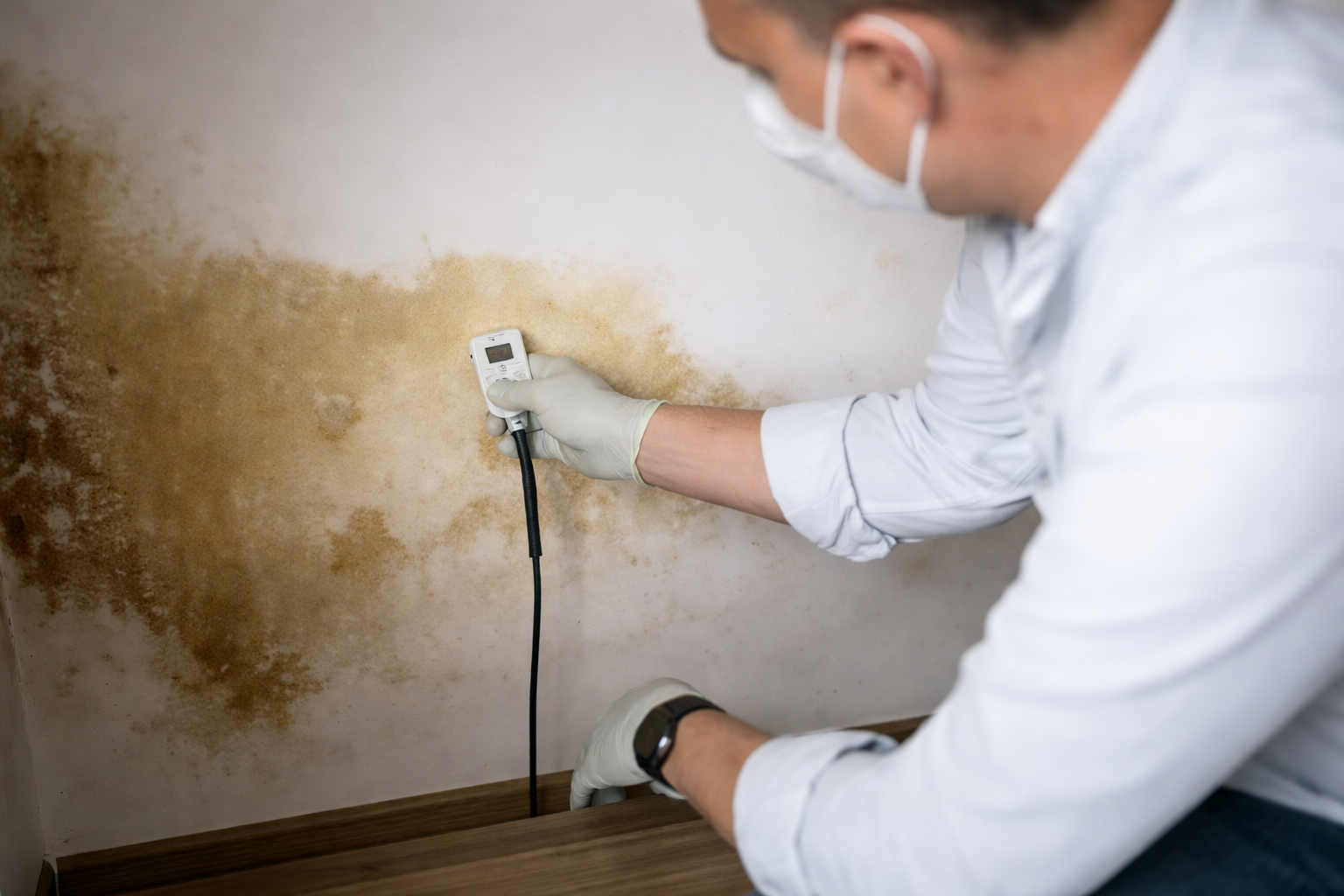
Damp Survey

Clear, professional damp surveys that identify the real cause of moisture

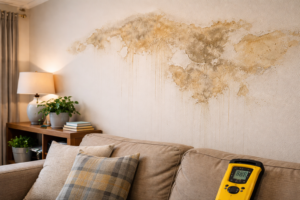
Moisture problems inside a property are often misdiagnosed. Stains, mould, peeling paint, and damp smells are symptoms not the cause. Without a proper inspection, property owners frequently spend money on unnecessary or ineffective treatments.

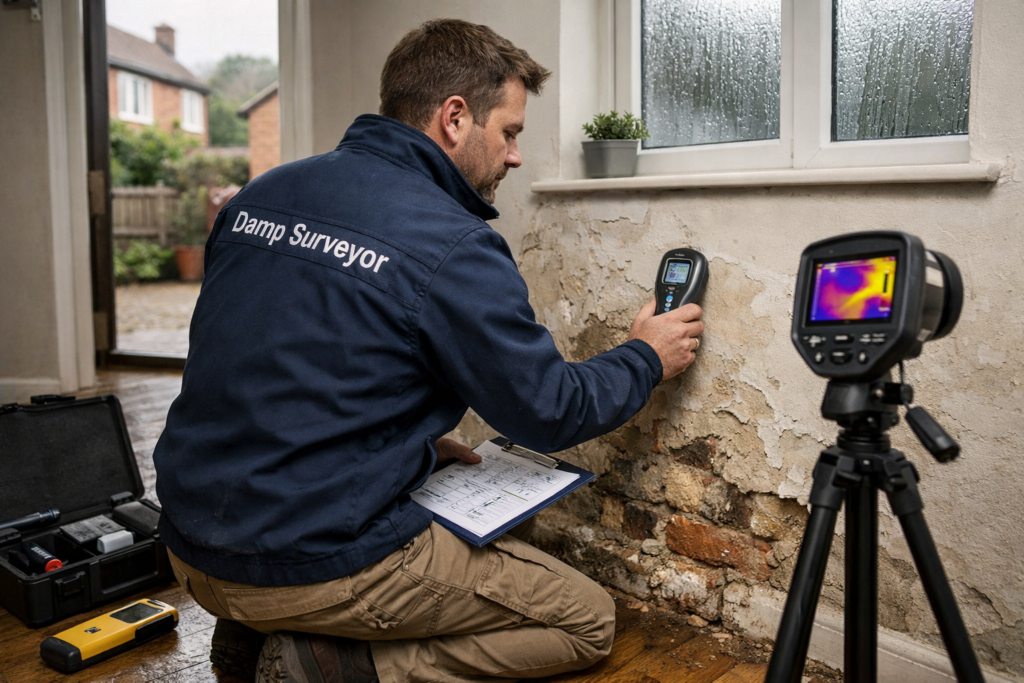
Our damp surveys provide a structured, professional assessment of moisture-related issues within residential and commercial properties. A certified surveyor inspects the building internally and externally to identify the origin of moisture, the pattern of dampness, and the defects allowing water to enter or accumulate.
DAMP SURVEYOR

Professional Damp Surveys in Kent

A damp survey is the starting point for resolving moisture issues properly. Guesswork and generic treatments often lead to recurring problems and wasted expenditure.Our surveys focus on identifying the mechanism of moisture within the structure. This involves analysing the building fabric, ventilation conditions, moisture readings, and visible defects that could allow water penetration or internal condensation.

What our Damp Surveys Assess

A comprehensive inspection covers several common causes of moisture within buildings.

Rising damp

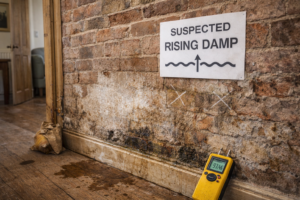
Moisture moving upward from the ground through masonry and floors. This is typically associated with failed or bridged damp proof courses, external ground levels, or older buildings where no effective damp protection exists.

Penetrating damp

Water entering the building envelope from outside. This often results from defective pointing, damaged brickwork, cracked render, leaking gutters, or roof defects allowing water to pass through walls and ceilings.

Condensation

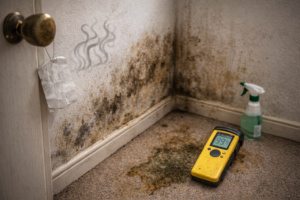
Moisture produced inside the property that cannot escape due to poor ventilation or insulation. This leads to mould growth, window condensation, and damp patches on colder surfaces.

Structural defects

Cracks, deteriorated mortar joints, cavity wall issues, and building movement can create pathways for water ingress.

Ventilation deficiencies

Inadequate airflow allows humidity to accumulate inside the property. Kitchens, bathrooms, and poorly ventilated rooms are common sources of persistent condensation problems.

Timber decay

Prolonged moisture exposure can lead to fungal decay in timber elements such as joists, floors, and structural woodwork.

When a Damp Survey is Required

Understanding the root cause early prevents unnecessary treatments and helps avoid repeated repairs. Damp surveys are commonly requested in several situations:

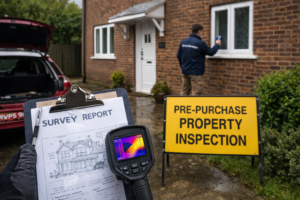
Persistent mould or condensation inside the property Damp patches appearing on internal walls or ceilings Peeling paint or deteriorating plaster Musty odours or visible staining Suspected rising damp in older buildings Pre-purchase property inspections Landlords investigating tenant complaints Managing agents assessing building defects

Our Damp Survey Process

Each survey follows a structured inspection process designed to identify the cause of damp rather than just the visible symptoms.

1. Initial property assessment

The surveyor reviews the property construction, age, and layout to understand how moisture may be affecting the building.

2. Internal inspection

Affected areas are examined for visible signs of damp, mould growth, staining, or deterioration. Moisture readings are taken where appropriate.

3. External inspection

The exterior of the property is checked for defects that may allow water penetration, including rooflines, gutters, pointing, render, and ground levels.

4. Diagnosis of moisture patterns

The surveyor evaluates how moisture is moving through the structure and what building defects may be contributing.

5. Survey summary and recommendations

A written summary is provided outlining findings and suggested next steps to address the issue.

Damp Surveys for Landlords and Property Professionals

Landlords, property managers, and investors regularly encounter damp issues within rental properties. Misdiagnosing the cause can lead to repeated complaints, unnecessary contractor costs, and ongoing disputes with tenants.A professional damp survey provides an objective assessment of the building condition and the factors contributing to moisture problems. This allows property owners to make informed decisions before undertaking remedial works.

FREQUENTLY ASKED QUESTIONS

Most residential damp surveys take between 45 minutes and 2 hours, depending on the size of the property and the number of areas affected. Larger properties or buildings with extensive issues may take longer to assess properly.

Surveyors typically use moisture meters, visual inspection methods, and building condition assessments to understand how moisture is behaving within the structure. External defects and ventilation issues are also examined as part of the inspection.

Yes. Mould is usually a symptom of excess moisture, often caused by condensation or poor ventilation. A damp survey will determine whether mold is being caused by condensation, water ingress, or another building defect.

No. Many damp issues are caused by ventilation problems, external defects, or maintenance issues rather than structural failure. A proper survey helps avoid unnecessary chemical treatments or invasive work that may not address the real cause.

Yes. Damp is a common issue in older UK housing stock, particularly in properties built before modern damp proof courses were widely installed. A survey can highlight moisture risks before purchase and may influence negotiation or repair planning.

Book a Damp Survey

If you are experiencing damp, mould, or unexplained moisture in your property, a professional survey provides the clarity needed to identify the problem correctly.

Our damp surveys deliver a clear assessment of the building, the cause of moisture, and practical next steps for resolving the issue.

Contact us today to arrange a professional damp survey.

CONTACT US