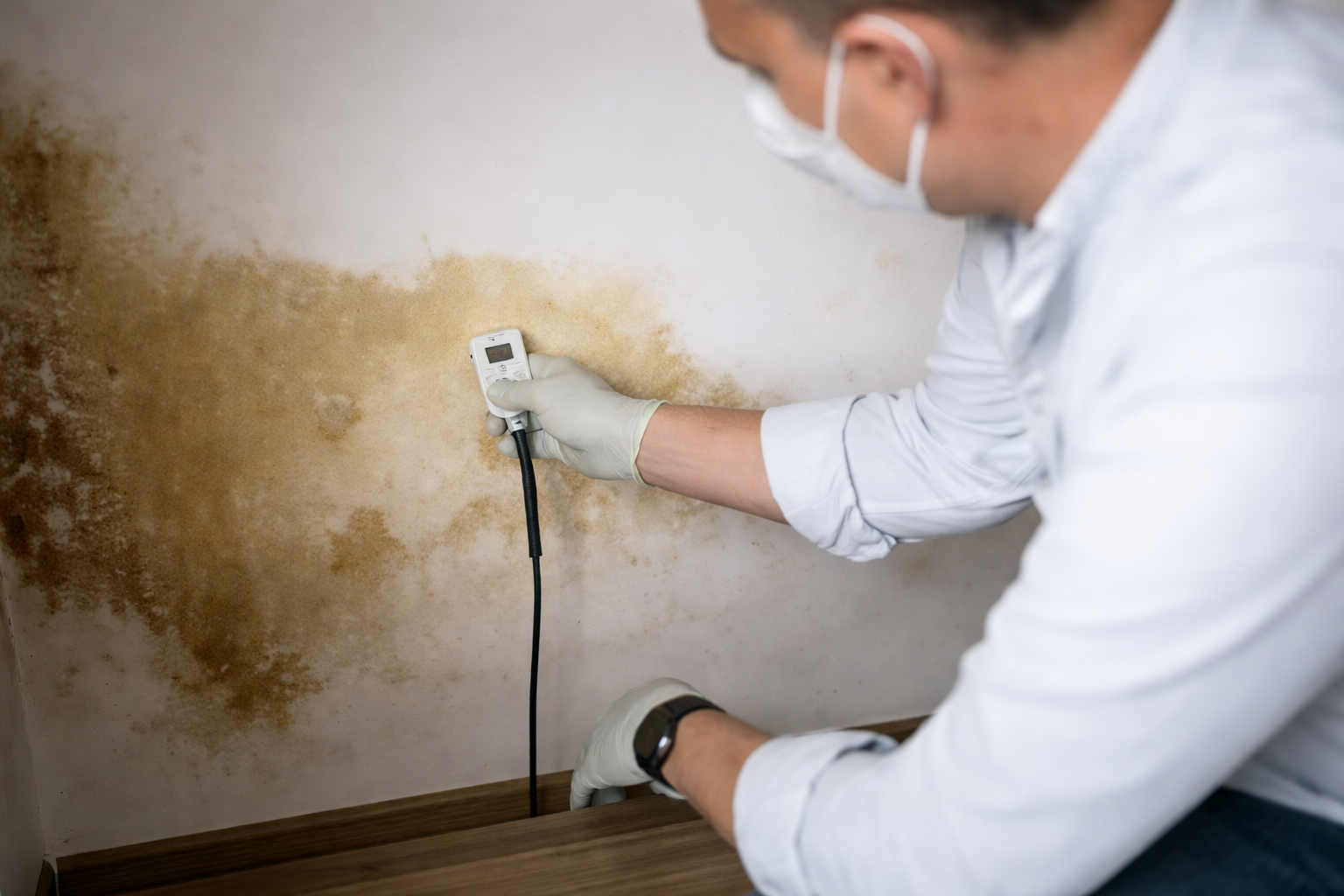
Condensation Issues

Identifying and resolving condensation problems in your property

Condensation is one of the most common moisture issues found in residential properties across the Southeast. It occurs when warm, moisture-laden air comes into contact with colder surfaces such as walls, windows, ceilings, and poorly insulated areas. Over time, persistent condensation can lead to mold growth, staining, deterioration of internal finishes, and poor indoor air quality. In rental properties, it can also result in repeated tenant complaints and ongoing maintenance problems.

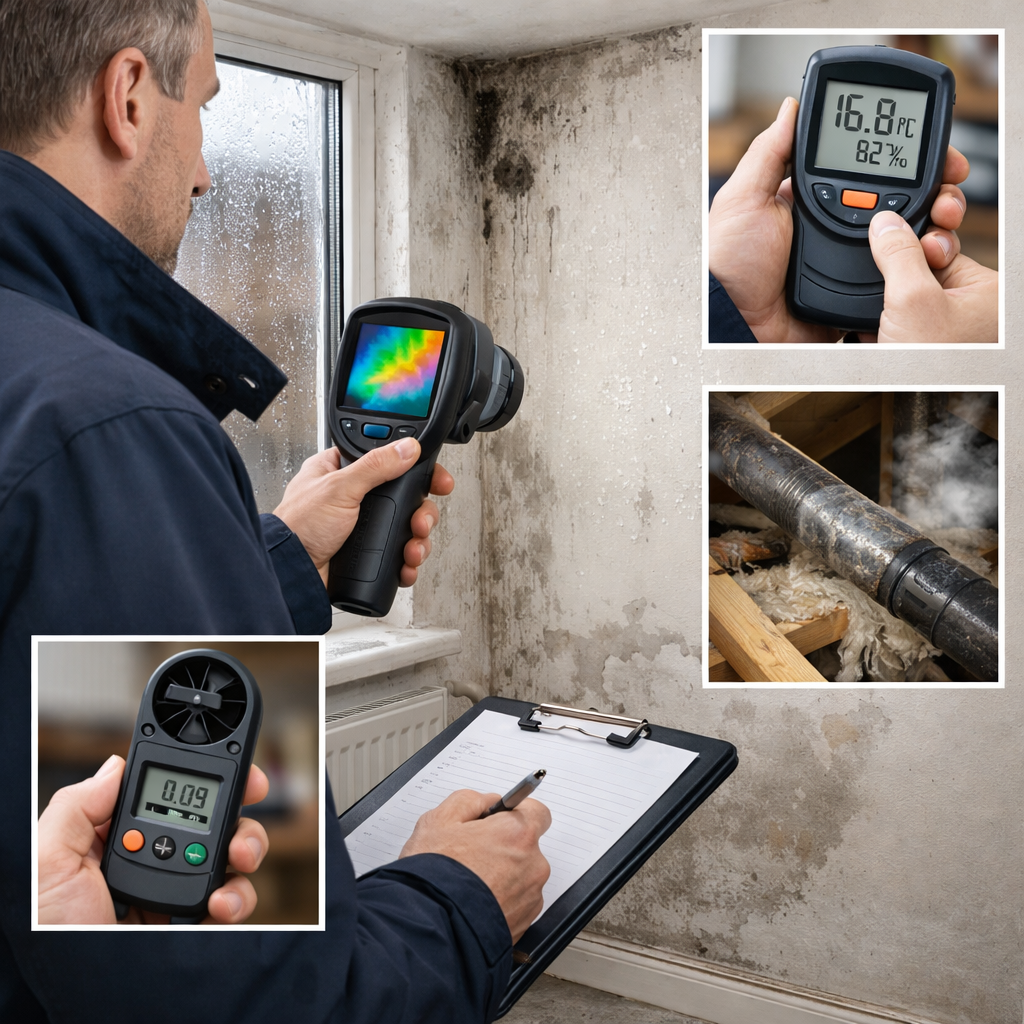
Professional Condensation Assessments in Kent

Condensation is frequently misunderstood and often misdiagnosed as rising damp or penetrating damp. In reality, condensation is typically linked to ventilation, heating patterns, insulation levels, and occupant moisture generation. Many in Southeast homes, particularly older properties, were not designed for modern levels of occupancy or sealed living environments. Improvements such as double glazing and insulation can reduce natural airflow, allowing humidity to build up indoors.Our condensation inspections evaluate how moisture behaves within the building and how airflow, heating, and construction details influence the internal environment.

The aim is to determine the conditions that are causing condensation so the issue can be addressed correctly.

What our Condensation Inspections Assess

A condensation inspection examines several factors that influence moisture levels within the property.

Internal humidity levels

Moisture generated through everyday activities such as cooking, showering, and drying clothes contributes significantly to indoor humidity.

Ventilation performance

Insufficient airflow prevents moisture from escaping the property. This often occurs where extractor fans are ineffective or ventilation routes are blocked.

Cold surfaces and insulation

Condensation forms most easily on colder building elements such as external walls, window reveals, ceilings, and poorly insulated areas.

Heating patterns

Inconsistent or insufficient heating can allow surfaces to remain cold, increasing the likelihood of condensation forming.

Property layout and airflow

Room configuration and the way air moves through the building can influence where condensation develops.

Existing mould growth

Where condensation has been present for extended periods, mold growth may already be established and contributing to indoor air quality concerns.

Signs of Condensation in a Property

Condensation problems often develop gradually and may be mistaken for other types of damp. In addition, these symptoms typically occur where humidity levels remain high and ventilation is insufficient. Below are the common indicators:

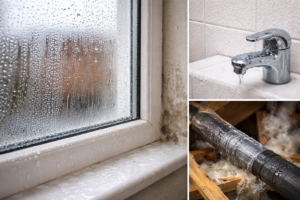
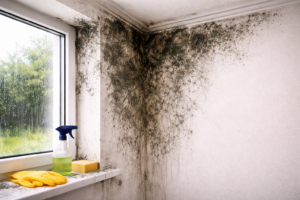
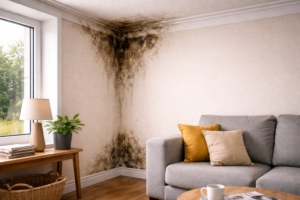
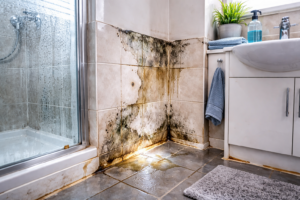
Water droplets forming on windows and cold surfaces Black mould growth on walls, ceilings, or window reveals Damp patches appearing in corners of rooms Musty or stale odors inside the property Peeling paint or deteriorating plaster finishes Persistent moisture in bathrooms, kitchens, or bedrooms

Our Condensation Inspection Process

Each inspection follows a structured approach to understand how moisture behaves within the property.

1. Initial property review

The surveyor assesses the property layout, construction type, and areas where condensation is most visible.

2. Internal inspection of affected areas

Rooms with visible mould, damp patches, or moisture staining are examined to identify patterns of condensation.

3. Ventilation and airflow assessment

Ventilation systems, extractor fans, and natural airflow routes are checked to determine whether moisture can escape the property.

4. Evaluation of environmental conditions

Heating patterns, insulation levels, and building design are considered to understand how they contribute to condensation formation.

5. Written findings and practical recommendations

A written summary is provided outlining the causes of condensation and the steps required to reduce humidity within the property.

Condensation Assessments for Landlords and Property Managers

Condensation and mold are among the most common issues reported by tenants in rented accommodation. If not addressed properly, the problem can lead to property damage, tenant dissatisfaction, and potential regulatory scrutiny. Landlords often face disputes over whether mold is caused by building defects or occupant behaviour. A professional condensation assessment provides an objective review of the property conditions contributing to moisture build-up.
This allows landlords and managing agents to determine whether the issue relates to ventilation, insulation, building defects, or environmental factors within the property.The findings can help guide maintenance decisions and prevent repeated complaints.

FREQUENTLY ASKED QUESTIONS

Condensation occurs when warm, moisture-laden air meets a colder surface. This typically happens where ventilation is poor, humidity levels are high, and building surfaces remain cold.

No. Condensation is caused by internal moisture in the air, while rising damp and penetrating damp result from water entering the structure of the building.

When moisture repeatedly forms on surfaces, it creates the conditions for mould spores to grow. Areas with limited airflow, such as corners of rooms and window reveals, are particularly susceptible.

Yes. Persistent condensation can lead to mold growth, deterioration of plaster and paint finishes, and potential timber decay if moisture remains present for extended periods.

Most inspections take around one hour, depending on the size of the property and the number of affected areas.

Arrange a Condensation Inspection

If your property is experiencing mold growth, window condensation, or persistent damp patches, identifying the cause is essential before taking corrective action.

Our condensation inspections provide a clear assessment of the factors contributing to moisture build-up within the property and practical steps to reduce the problem.

Contact us today to arrange a professional condensation inspection.

CONTACT US