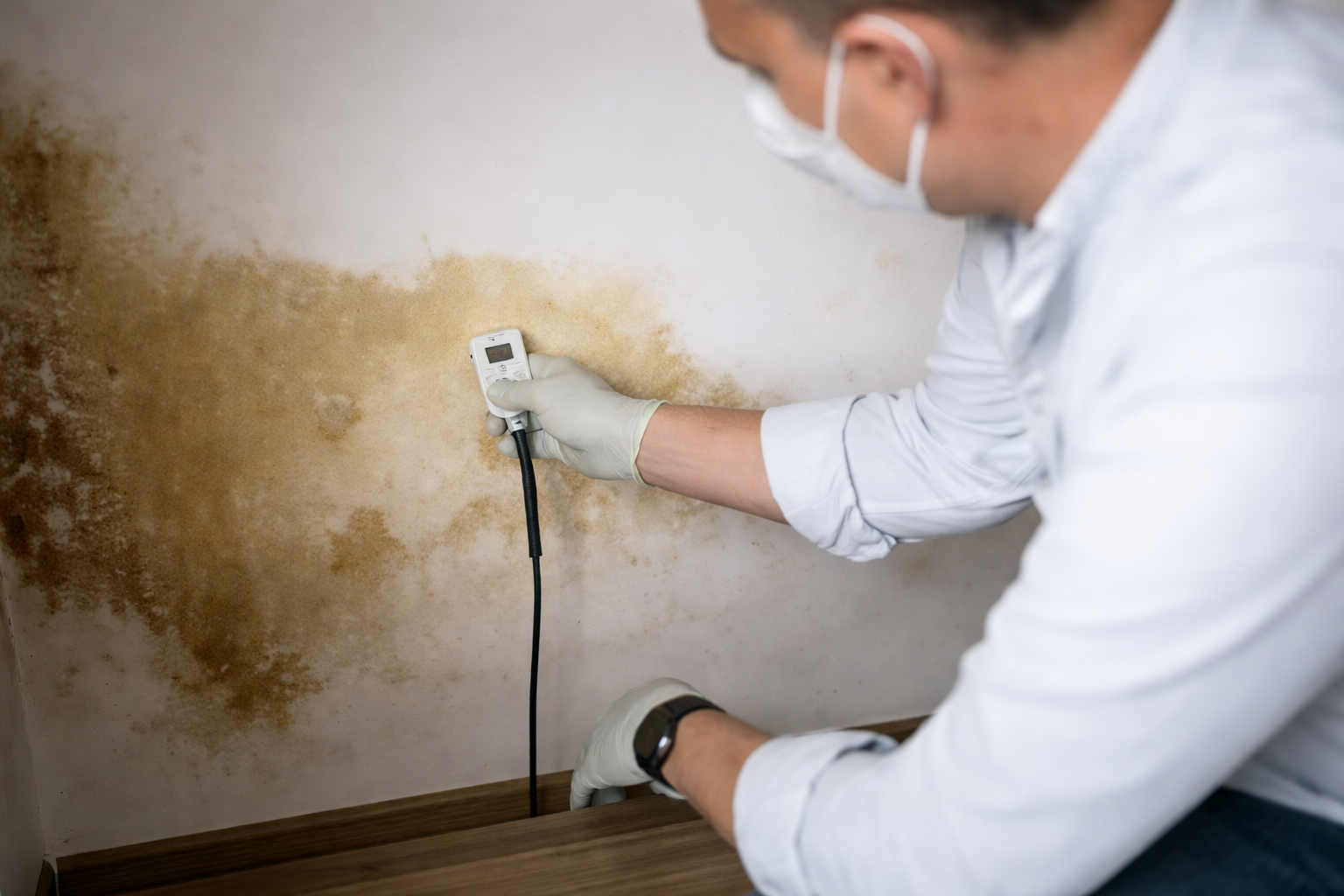
Surveying for Cause

Identifying the underlying cause of property defects

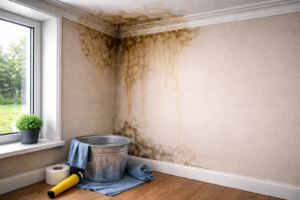
Many building defects are treated at the surface level without identifying why the issue occurred in the first place. Cracked plaster, recurring damp, structural movement, or persistent mould are often symptoms of a deeper problem within the building fabric.

Surveying for cause focuses on diagnosing the underlying reason a defect has developed. Rather than recommending generic repairs, the inspection examines the property structure, materials, and environmental conditions to determine what is actually driving the issue.
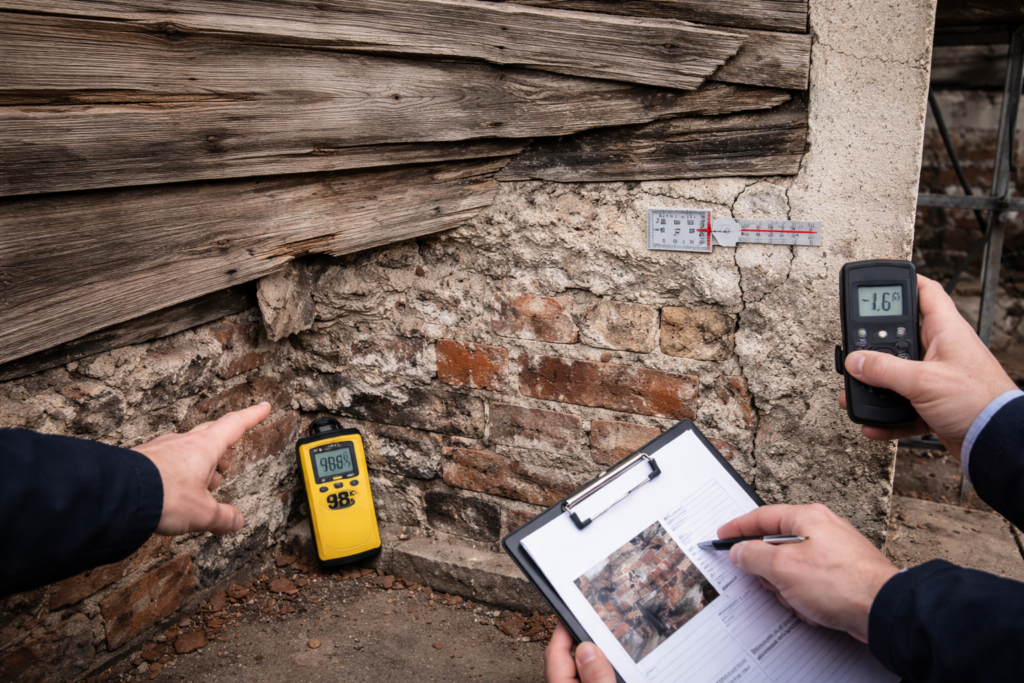
Professional Defect Diagnosis in Kent

Professional Defect Diagnosis in Kent

Buildings develop defects for a variety of reasons including moisture penetration, structural movement, ventilation failures, construction defects, or long-term deterioration of materials. Without proper investigation, repairs are often misdirected. Contractors may address visible damage while leaving the root cause unresolved, resulting in repeated problems and escalating costs. Surveying for cause provides a structured inspection of the building to determine how the defect developed and what conditions are contributing to it.

What a Surveying for Cause Inspection Assesses

Each inspection examines the building fabric and surrounding conditions to identify the source of the defect.

Moisture ingress

Water entering the structure through walls, roofs, windows, or ground levels can lead to damp patches, mold growth, and material deterioration.

Structural movement

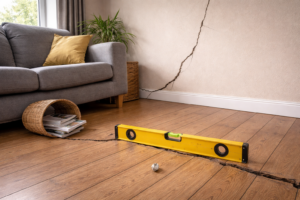
Cracking, distortion, or settlement may indicate structural movement within the building. This can occur due to foundation issues, ground movement, or construction defects.

Construction defects

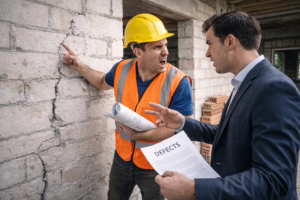
Poor workmanship, failed materials, or incorrect installation of building elements can create defects that worsen over time.

Ventilation and environmental conditions

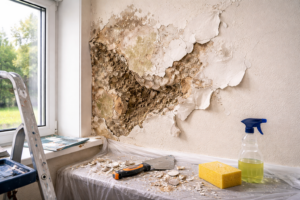
Poor airflow, trapped humidity, or inadequate insulation can contribute to condensation, mould growth, and deterioration of internal finishes.

External building defects

Problems such as defective pointing, blocked gutters, damaged render, or roof failures can allow water to penetrate the building envelope.

Material deterioration

Ageing building materials may deteriorate naturally over time, particularly in older properties where historic construction methods were used.

When Surveying for Cause is Required

Understanding the cause of the defect allows repairs to be targeted correctly. Surveying for cause is commonly requested when a property defect is persistent or unclear. The typical situations include:

Damp or mould returning after previous repairs Cracking appearing in walls or ceilings Water staining or leaks with no obvious source Structural movement or uneven floors Recurring plaster or paint deterioration Disputes over building defects between parties Landlords investigating tenant complaints Managing agents assessing building maintenance issues

Our Surveying for Cause Process

Each inspection follows a structured approach designed to determine why a defect is occurring.

1. Initial review of the issue

The survey begins with a review of the problem areas and the history of the defect where known.

2. Internal inspection

Affected areas inside the property are examined for signs of deterioration, moisture, cracking, or structural changes.

3. External building assessment

The exterior of the building is inspected for defects that may be contributing to the problem, including rooflines, masonry, drainage, and ground levels.

4. Evaluation of building conditions

The surveyor analyses how environmental conditions, building design, and construction details may be contributing to the issue.

5. Written findings and recommendations

A written summary outlines the most likely cause of the defect and the practical steps required to resolve it.

Surveying for Cause for Landlords and Property Managers

Landlords and property managers frequently deal with maintenance complaints where the cause of the issue is disputed or unclear. Repeated reactive repairs often fail because the underlying cause has not been properly identified. This can lead to ongoing costs, tenant dissatisfaction, and potential liability where health or safety risks are involved.A professional defect investigation provides an objective assessment of the building condition and helps property owners make informed decisions before committing to repairs.

The findings can also support maintenance planning, contractor instructions, or discussions with insurers.

FREQUENTLY ASKED QUESTIONS

Surveying for cause is an inspection designed to identify the underlying reason a defect has occurred within a property. Instead of focusing on visible damage alone, the survey examines the building structure and conditions that have led to the issue.

A standard property survey often provides a general overview of building condition. Surveying for cause focuses specifically on diagnosing a particular problem, such as damp, cracking, or water ingress.

Common issues investigated include damp, structural cracking, water leaks, mould growth, timber decay, and recurring building defects where the cause is unclear.

Yes. Identifying the cause of a defect before repairs are undertaken reduces the risk of incorrect work being carried out, which can otherwise lead to repeated issues and unnecessary expense.

These surveys are commonly requested by homeowners, landlords, property managers, buyers, and managing agents when a building defect needs professional investigation.

Arrange a Survey for Cause Inspection

If a defect within your property is recurring, unclear, or worsening, identifying the cause is the first step to resolving the issue properly. Our surveying for cause inspections provide a clear assessment of the building condition and the factors contributing to the defect.

Contact us today to arrange a professional inspection.

CONTACT US